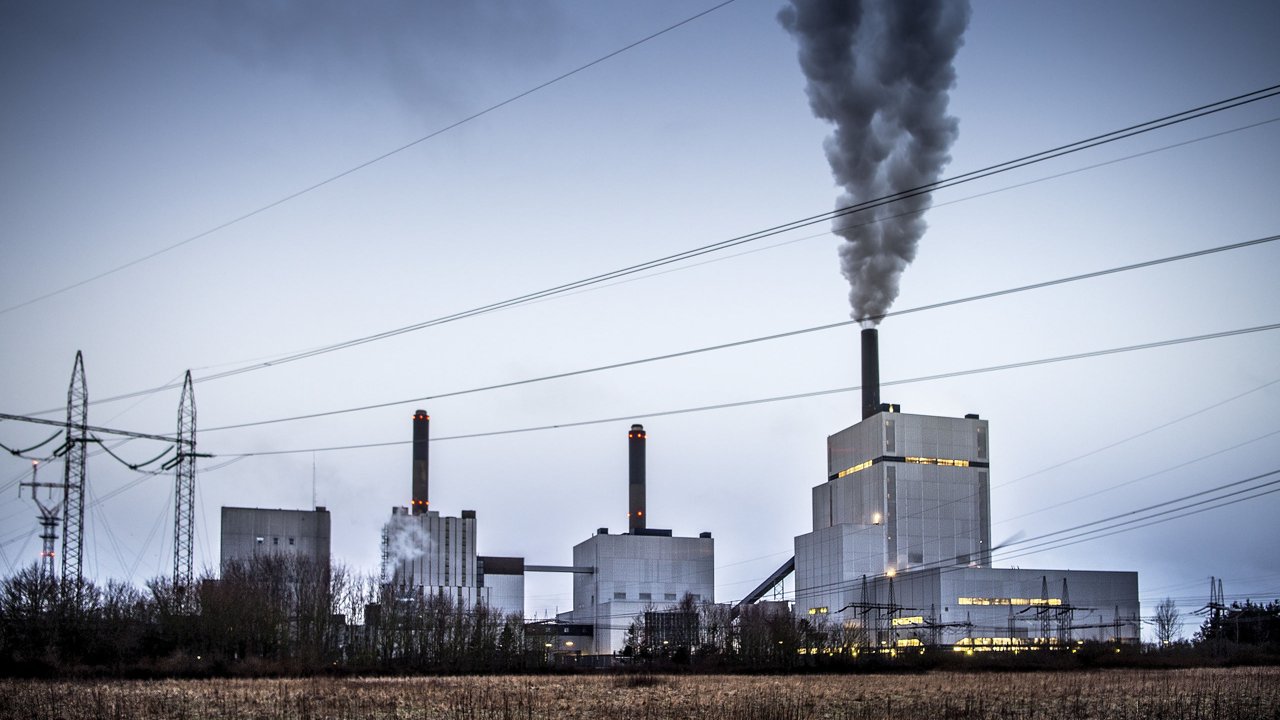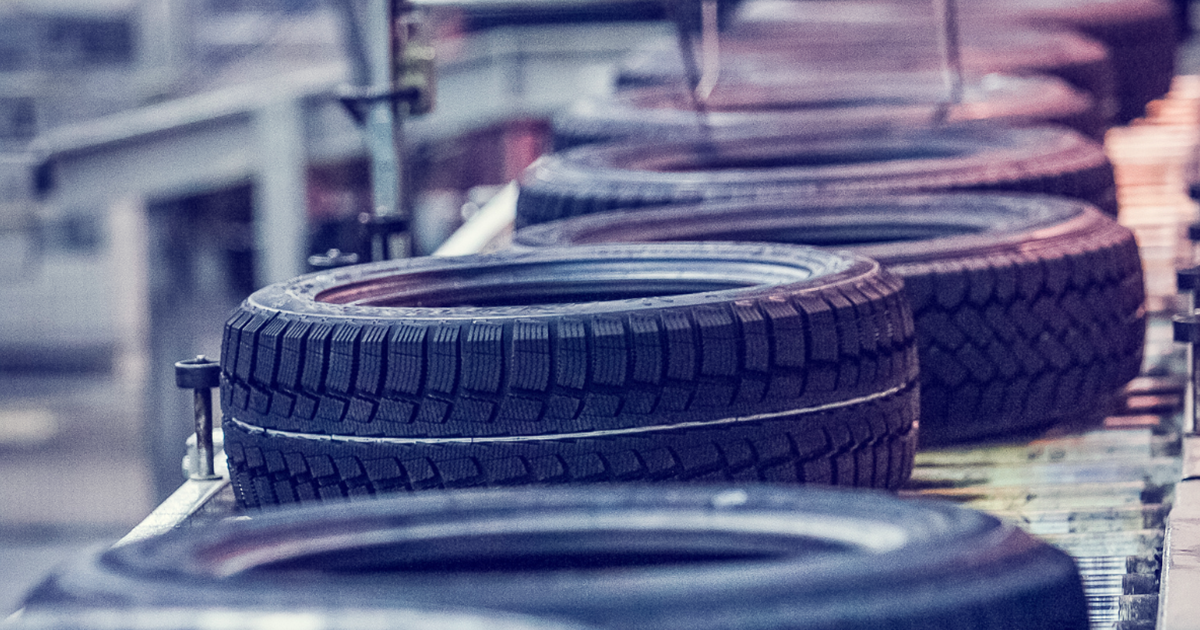
For tyre and rubber manufacturers, the pressure to transition away from natural gas is intensifying from two sides. The real hurdle, however, is not the heating technology – it is the local power grid.
Pragmatic decarbonisation and financial flexibility
Automakers are increasingly demanding verifiable "CO₂-neutral tyres" in their RFQs, and the cost of EU ETS carbon allowances is on a steep upward trajectory. With Nokian Tyres' greenfield plant in Romania already operating as the world’s first zero-CO₂-emission tyre factory, the competitive benchmark has been permanently altered.
However, fully decarbonising an existing brownfield plant is rarely done overnight.
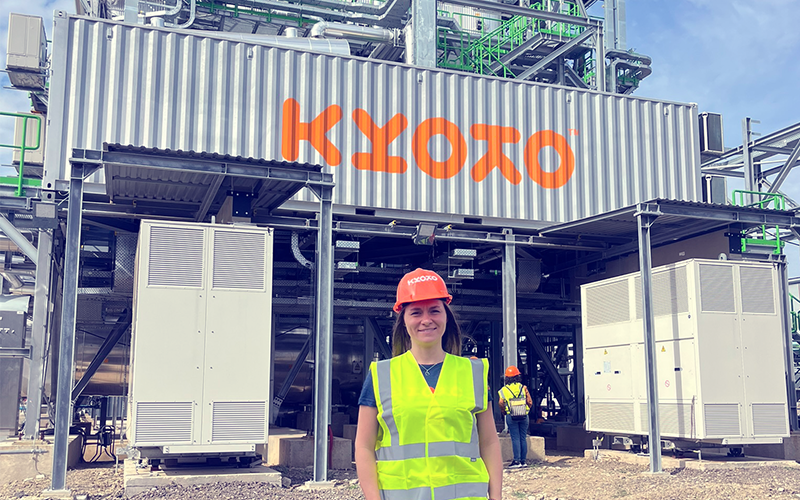
The challenge is not a lack of capable heating technology – a thermal battery like the Kyoto Heatcube can seamlessly cover 100% of a facility's requirements. Instead, the hurdle often lies in the limitations of the local grid connection and the unpredictability of power market conditions. For many, a pragmatic first step is therefore a hybrid model: utilizing the existing gas boiler alongside the thermal battery.
Even today, this setup delivers steam at a lower overall cost than relying on pure natural gas.
More importantly, this financial advantage will only widen as European carbon prices escalate from their current level of around €75/ton to €145/ton by 2030, before reaching a projected €200/ton by 2035, according to baseline forecasts for EU ETS allowances from BloombergNEF's Carbon Pricing Model.
Beyond the immediate operational savings, transitioning to new energy infrastructure often introduces concerns around long-term cost predictability.
By utilizing a "Heat-as-a-Service" (HaaS) model, plants can integrate a thermal battery with zero technology investment. Rather than exposing the plant to volatile future energy markets, HaaS is structured to de-risk long-term operational costs by guaranteeing energy cost savings over the contract period, effectively transferring the financial risk away from the manufacturer.
/03%20Blog/3.2%20Icons/facebook.svg)
/03%20Blog/3.2%20Icons/linkedin.svg)
/03%20Blog/3.2%20Icons/twitter.svg)