Proof, people, and progress: August at Kyoto
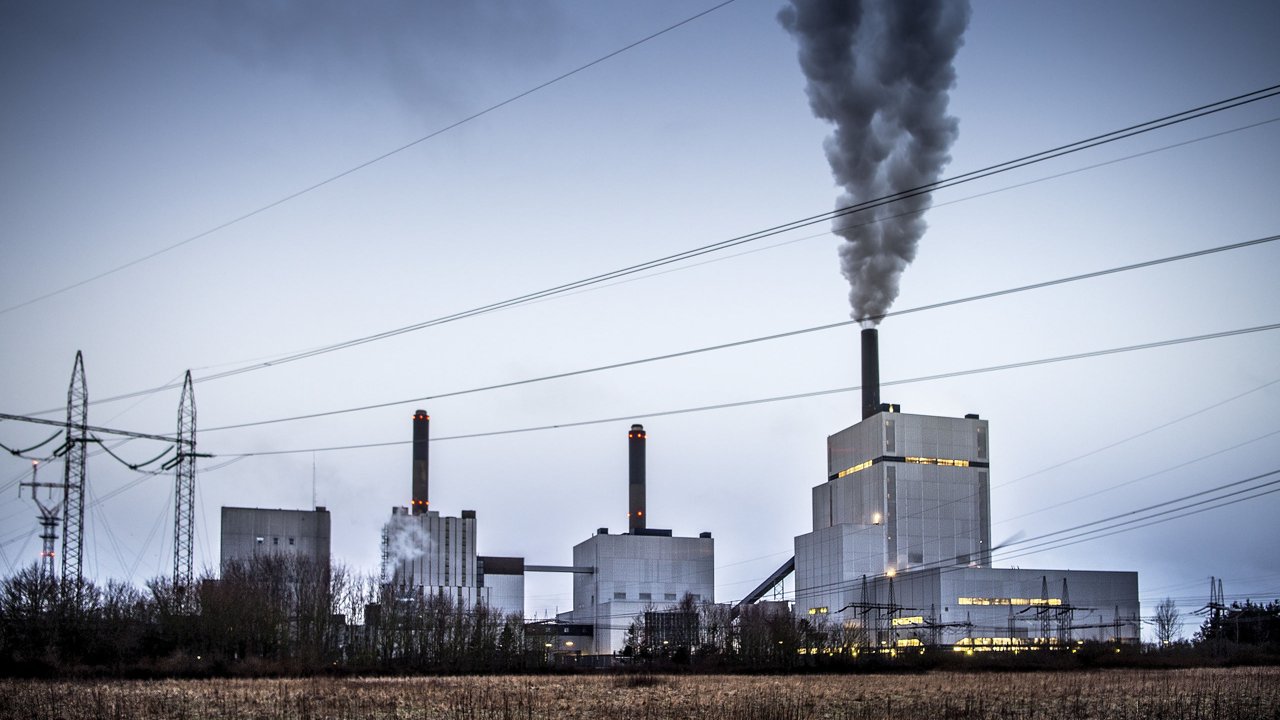
This month, we're looking at what happens when thermal storage moves from pilot to proof. A decommissioned coal plant in Denmark shows up in someone else's vision for the grid, with our Norbis Park Heatcube serving as the real-world data point behind it.
In this issue, we also welcome four new colleagues to the team and take a deep dive into the thermal realities of the dairy industry.
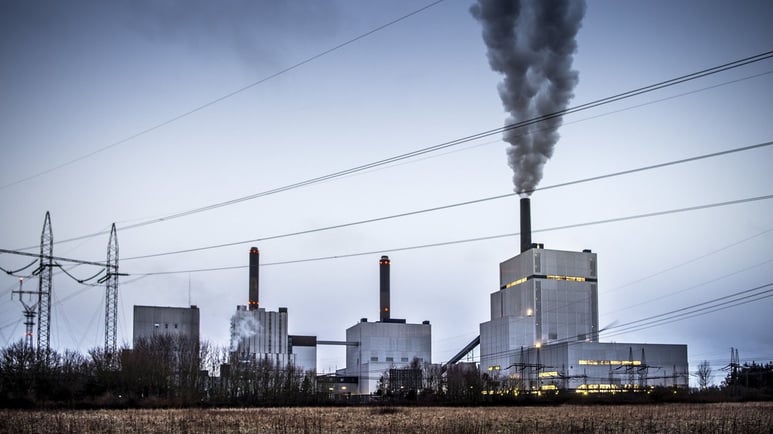
Could Denmark's energy future start at an old coal plant in Vodskov?
Aalborg-based engineering firm Aalborg CSP is pitching a bold idea: turn the decommissioned coal plant at Vodskov (Nordjyllandsværket) into a large-scale molten salt energy storage hub — potentially paired one day with small modular nuclear reactors. The pitch addresses a real Danish problem: wind power sometimes has to be curtailed because there's nowhere to put the surplus, while on other days Denmark imports power because it doesn't produce enough.
Kyoto has a direct connection to this story: our Heatcube thermal battery has been running at that exact site since 2023, and it's performing as expected — a solid, independent, real-world data point showing up in a story about someone else's vision for the future.
An AAU energy professor also calls the concept of reusing Denmark's existing coal-plant infrastructure for storage "genuinely brilliant" — a nice tailwind for the storage-as-decarbonization-tool narrative more broadly.
Read the full story (behind paywall in Danish) via Nordjyske
.png?width=776&height=406&name=Kyoto%20team_25_inaug%20(1).png)
Welcoming four new members to the Kyoto team
This month, we're strengthening our team with four new colleagues, each bringing expertise that will support Kyoto's continued scale-up across Europe.
⭐ Hans Jörg Fell joins as CTO, adding technical leadership as we grow the Heatcube portfolio.
⭐ Patricia Menéndez Arias joins as Head of Operations, overseeing Heatcube deployments from delivery through daily operation.
⭐ Danny Zaitsev joins as Sales Director, Central Europe, leading commercial growth in one of our key markets.
⭐ Carlos Pereda joins as Senior Field Operations Specialist, keeping Heatcube installations running safely and reliably across our customer sites.
Together, they bring new perspectives to a shared goal: making clean, low-cost industrial heat the standard for European industry.
Welcome to the team!
Read more about Hans Jörg's appointment as CTO here
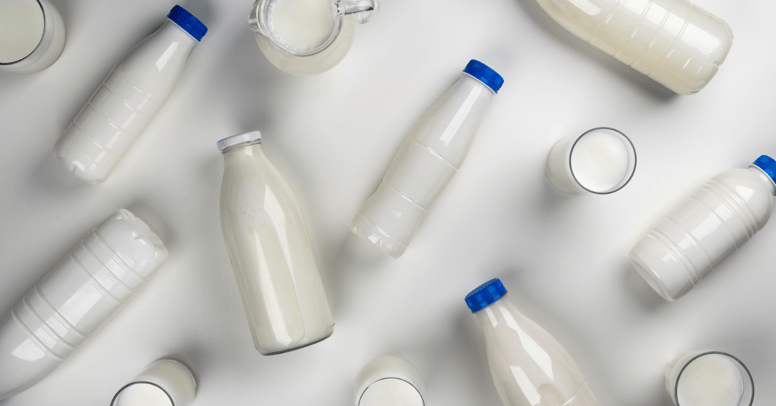
The hidden heat behind every carton of milk
Behind the clean, white image of dairy sits a hot, gas-heavy reality. Turning raw milk into powder, cheese, and long-life cartons takes enormous amounts of process heat, and most of it still comes from burning gas. That's not just a climate problem. It's a margins problem.
Why dairies can't wait it out:
- Retailers and food brands are asking for the carbon footprint behind their ingredients — dairies that can't answer risk losing shelf space and contracts
- Gas prices swing with every geopolitical shock
- Only a handful of companies can deliver industrial-scale thermal storage, the longer dairies wait, the longer the queue gets
The numbers, from a case study by Future Cleantech Architects:
- Europe's dairy industry processes 150 million tonnes of raw milk a year, emitting ~20 Mt CO₂eq from the gas burned to heat it; about 70% of a typical facility's energy input
- Pasteurization is the single largest load, heating milk from 4°C to 75°C, and it sits well below 150°C, squarely in range for electrified heat
Closing the gap
Electric boilers and heat pumps, paired with thermal storage, offer a way off gas without redesigning the production line. In one modelled case, five hours of storage cut electricity costs by ~€10/MWh. Heat-as-a-Service takes it further, clean steam delivered, no upfront capital required.
Read the full case study from Future Cleantech Architects

Next month: How fossil fuels are destabilizing chemical production
The EU chemical industry emits roughly 155 million tonnes of CO₂-equivalent a year, two-thirds of it from burning fuel for process heat, cracking, distillation, drying. Gas and electricity together make up two-thirds of the sector's total energy consumption, and natural gas alone accounts for a quarter to half of what plants buy as raw material. Despite four decades of efficiency gains, that fossil-fuel dependency leaves margins exposed to price volatility and mounting decarbonisation pressure.
Next month, we take a deep dive into the chemical industry's dependency on natural gas and how thermal energy storage can help break it and improve margins.
Stay tuned!
/03%20Blog/3.2%20Icons/facebook.svg)
/03%20Blog/3.2%20Icons/linkedin.svg)
/03%20Blog/3.2%20Icons/twitter.svg)